RENR 690 Jacob Beauregard
The Sweet Escape:
The influence of dominant mycorrhizal types on the sugar maple mycobiome.
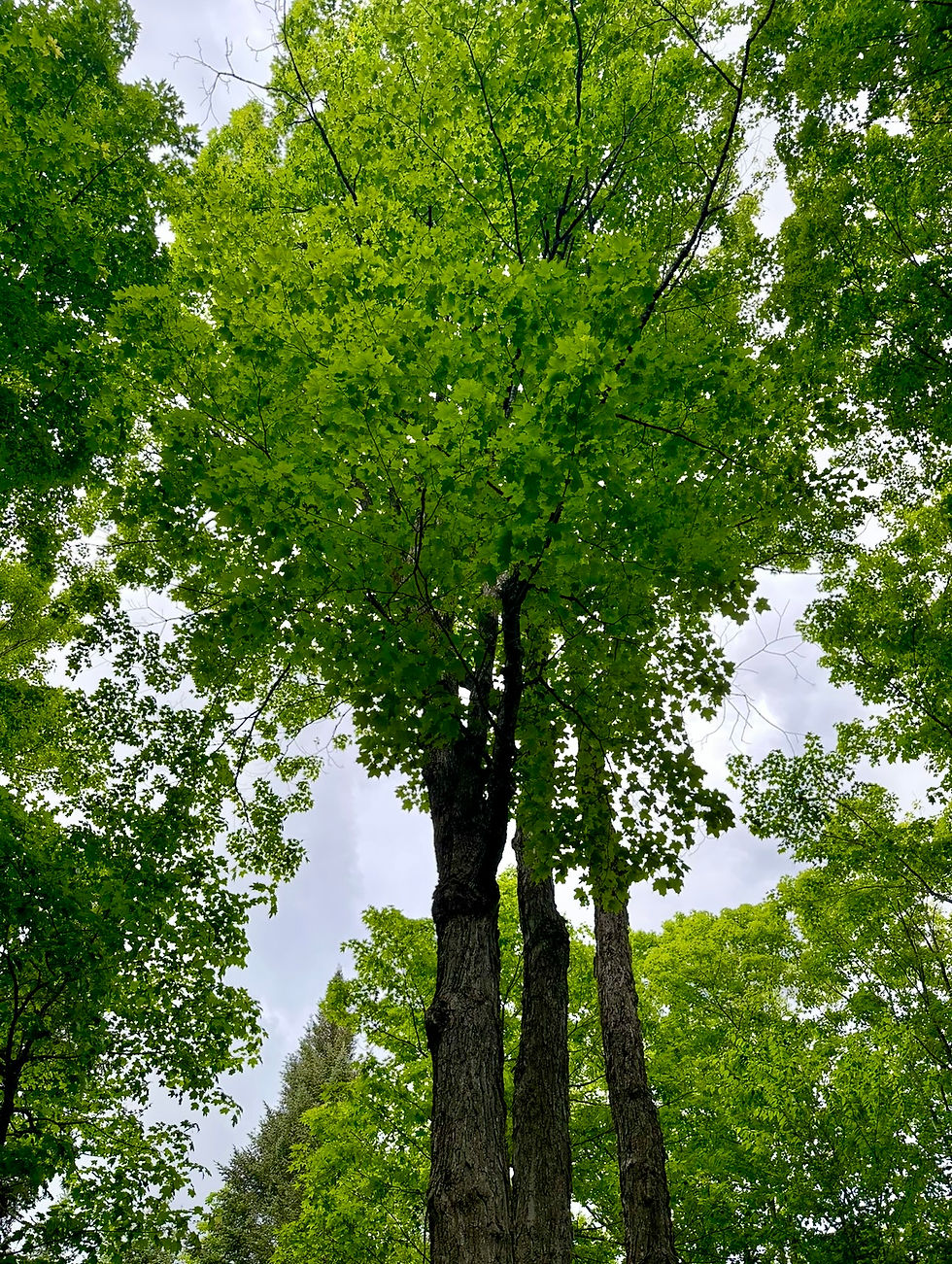
Figure 1. Mature sugar maple (Acer saccharum) in St. Hippolyte, Quebec (source: Jacob Beauregard).
Abstract
Mycorrhizal fungi play critical roles in plant nutrient acquisition, stress tolerance, and pathogen defence, and may influence plant establishment in differing forest types and under climate change. However, the role of dominant forest mycorrhizal types in shaping fungal communities and seedling performance remains poorly understood.
Here, we combined DNA metabarcoding, seedling growth measurements, and environmental data to characterize fungal communities associated with 435 sugar maple (Acer saccharum) and eastern hemlock (Tsuga canadensis) seedlings across four sites in southern Quebec spanning a gradient of dominant mycorrhizal types. Growth analyses were restricted to sugar maple due to data availability.
Dominant forest mycorrhizal type was strongly associated with fungal community composition in both roots and soils, independent of host species. Community variation was primarily driven by gradients in ectomycorrhizal fungi and soil nutrient availability. However, sugar maple growth did not differ across mycorrhizal forest types, and neither pathogen abundance nor other functional groups were associated with growth outcomes.
These results indicate that while forest mycorrhizal context strongly structures belowground fungal communities, it does not necessarily translate to differences in early seedling performance. This suggests that dominant mycorrhizal type alone may be a limited constraint on sugar maple establishment when dispersing to new sites, with potential implications for management and assisted migration under climate change.
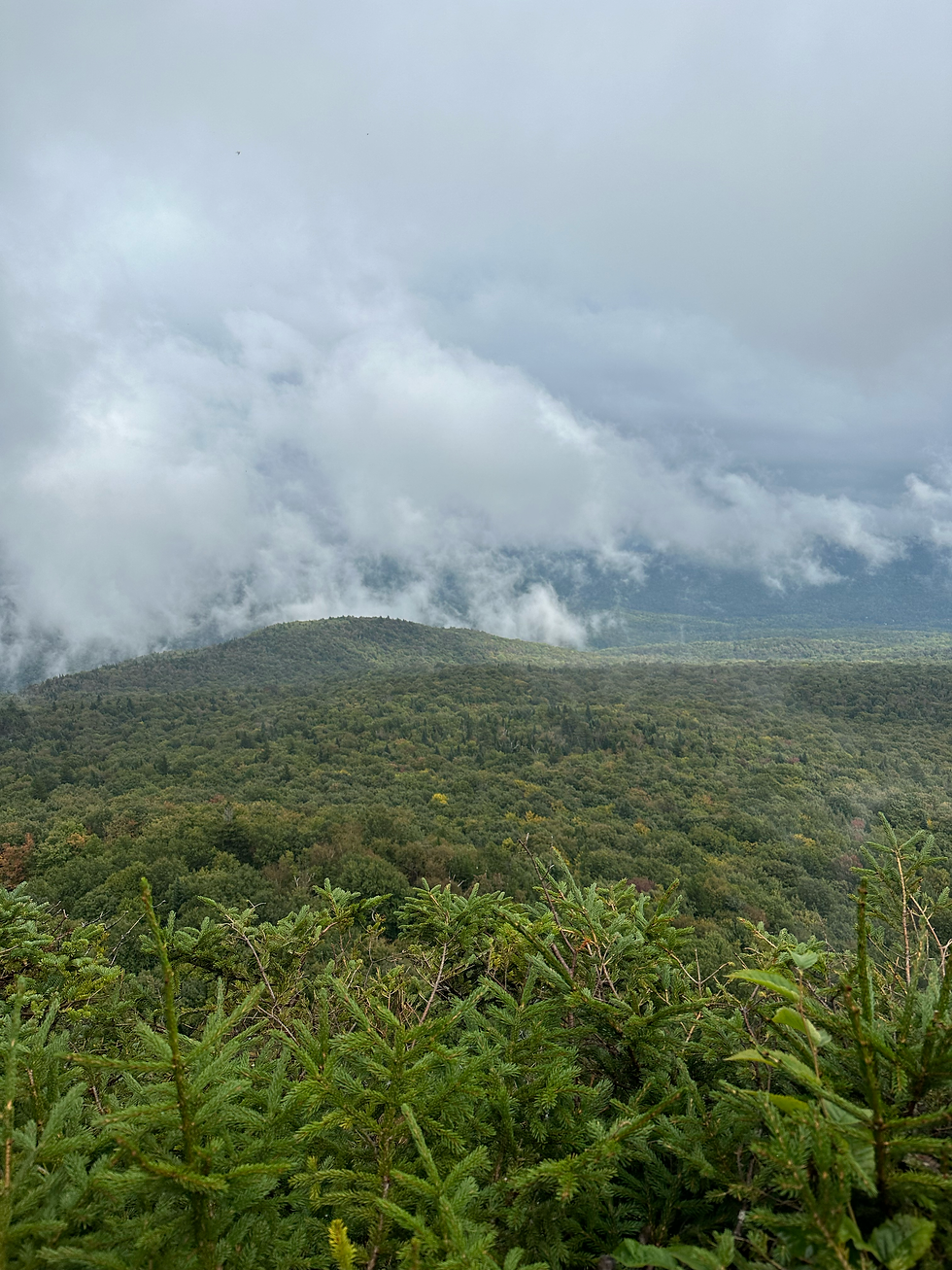

Figure 2. Closed canopy (top panel) of the forest in Sutton, Quebec and an unidentified saprotrophic fungus (bottom panel) (source: Jacob Beauregard).